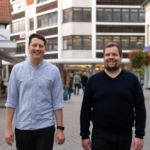
HealthTech startup Gardia has closed an €8.5 million Series A round for its mobile fall-detection emergency system for seniors. The round was led by European venture capital firm Peak, with participation from amberra, the corporate venture studio of Germany’s Cooperative Financial Group and butterfly & elephant accelerator by GS1 Germany. Existing business angels, as well as investors BONVENTURE, Dieter von Holtzbrinck Ventures (DvH Ventures) and Beurer, are also reinvesting.
Rethinking Emergency Response: Mobile, Everyday-Ready and Non-Stigmatising
Gardia has developed a mobile emergency system built specifically for seniors. At its core is a discreet wristband with automatic fall detection that works both at home and on the go, without needing a smartphone. Hardware, software, app and AI are developed in-house and specifically designed for use by seniors.
“Reliable fall detection requires highly complex and precise technological development. At the same time, we see that many existing emergency systems are not used in everyday life because they are stigmatising or too complicated. Our goal was therefore to develop a technically excellent solution that people are happy to wear and that reliably provides help when it really matters,” says MarlonBesuch, co-founder and CEO of Gardia.
Gardia has reached a five-figure active user base across the DACH region, establishing a leading position in the mobile emergency response market. This growth is driven by high user retention and the fact that the solution is fully reimbursable by German health insurance, removing the financial barrier for seniors.
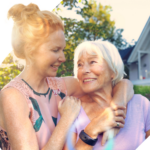
A Widening Gap in Senior Care
The necessity for such innovation is underscored by a major demographic shift. There are about 97 million people aged 65 or older in the EU today, a number projected to exceed 110 million by the mid-2030s. In Germany, where 96% of seniors live in private households, the preference to age at home is colliding with a growing shortage of care workers.
This trend is driving an urgent demand for independent safety solutions, particularly as approximately 5.7 million people over 65 in Germany fall each year. Because these incidents often leave those affected unable to call for help, delayed assistance significantly increases the risk of severe injury and long-term care dependency. As healthcare costs rise, providing a reliable safety net for those living independently is now a critical necessity for healthcare systems.
Strong Partnerships and a Clear Growth Strategy
With its Series A capital, Gardia plans to scale across the DACH region, expand internationally, and further strengthen its B2B business in the care and healthcare sectors. This growth is supported by a dedicated partnership with Bosch, ensuring a tailored 24/7 emergency response service by trained specialists. Emergency cases are handled according to individually defined procedures, including clear escalation paths and contact chains.
Through its cooperation with Beurer, an internationally leading company of products with a healthy lifestyle with a distribution network spanning more than 100 countries, Gardia is also available through established online and brick-and-mortar retail channels, ensuring visibility in familiar purchasing environments for families. In parallel, the company is working on the next generation of its emergency response system.